

Large breed
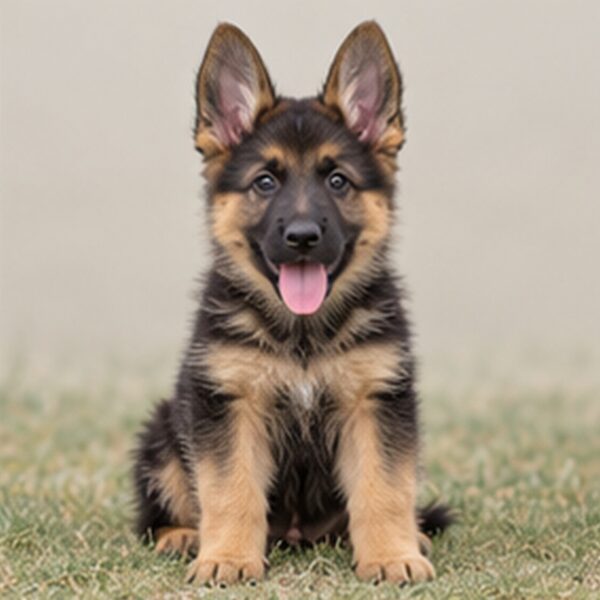
German Shepherd Puppies
The German shepherd, formerly called ‘Alsatian Wolf Dog’ in the UK, is a type of breed of dog that originated as far back as the 18th century. It is a medium to large-sized dog very well known for its strength, trainability, and intelligence. It has been famously used in disability assistance, search-and-rescue missions, police/military roles, thus it belongs to the “working- dog group”. Discover more about our German Shepherd puppies for sale below!
- Adult weight 50–90 lbs
- Height 22–26 in
- Lifespan 9–13 years
- Exercise 120 min a day
 2 available now
Available German Shepherd Puppies
About the German Shepherd
The German Shepherd is a magnificent breed with a rich history, originally bred in Germany during the late 19th century for herding and protection. Their intelligence and versatility have made them one of the most popular working and companion dogs around the world. Known for their loyalty and strong bond with their families, German Shepherds are a great choice for active households that appreciate a devoted canine companion.
Read more about the German Shepherd Show less
With their playful yet protective nature, these beautiful dogs thrive in family environments, particularly those with young children, thanks to their affectionate demeanor. While they can be quite reserved with unfamiliar faces, their guarding instincts ensure they will always keep an eye on their loved ones. This breed is energetic and requires regular exercise to stay happy and healthy, making daily walks and playtime essential to their well-being.
Grooming your German Shepherd is manageable with a weekly brushing routine that helps minimize shedding and keeps their coat looking its best. They are known for being highly trainable, as their intelligence and eagerness to please make them quick learners. While they may have a barking tendency, this can be an advantage when it comes to alerting you to visitors or noises. Overall, a German Shepherd can be a loyal and loving addition to the right family, so prepare to welcome a fantastic four-legged friend into your life.
German Shepherd breed profile
Every score below is set by our team for this breed. Higher is simply more of that trait, not better or worse.
Temperament
-
Affection Very affectionate
-
Playfulness Very playful
-
With strangers Cautious
-
Territorial Very territorial
-
Prey drive High
Family & other pets
-
Young children Good
-
Older children Good
-
Other dogs Prefers to be the only dog
-
Cats Needs care
Energy & exercise
-
Energy High
-
Mental stimulation Needs a job to do
Training
-
Trainability Eager to please
-
Intelligence Exceptional
-
Stubbornness Stubborn
Care & upkeep
-
Shedding Light
-
Drooling Minimal
-
Barking Vocal
Home life
-
Apartment living Prefers a house
-
Time alone Short periods
-
Cold weather Comfortable
-
Warm weather Comfortable
A good match for
-
First-time owners Some experience helps
-
Senior owners Good
-
Running partner Excellent
-
Hiking Excellent
-
Therapy work Good
-
Guarding Strong guardian
Living with a German Shepherd
Temperament & Family Fit
German Shepherds are known for their loyalty and affectionate nature, making them excellent family companions. They are generally good with young kids and can happily engage in playful activities. However, they may require a bit more supervision around other pets, especially other dogs, due to their strong protective instincts.
Energy & Exercise
This breed is quite energetic and thrives on daily exercise. With an energetic level of 4, they enjoy activities like running and playing fetch, which helps keep them fit and mentally stimulated. Regular outdoor adventures are a must to keep your German Shepherd happy and healthy!
Care & Grooming
German Shepherds have a moderate shedding level, so you can expect to give them some grooming love on a weekly basis. Regular brushing helps manage shedding and keeps their coat looking sharp. With their affectionate nature, they often enjoy bonding time during grooming sessions.
Training Notes
One of the standout features of German Shepherds is their remarkable trainability, scoring a top-notch 5. They thrive on mental challenges and respond well to consistent training methods. With your gentle guidance, they will quickly learn commands and become wonderful, obedient companions.
Caring for a German Shepherd
- Grooming
- Weekly brushing
- Grooming cost
- Average
- Monthly food
- Average
- Outdoor space
- A yard is recommended
- Allergy friendly
- Not considered hypoallergenic
Frequently Asked Questions
What is the temperament of a German Shepherd?
German Shepherds are known for their loyalty and protective nature, making them excellent family companions. They are affectionate and form strong bonds with their owners, often displaying a playful and energetic demeanor. Their intelligence also means they can be adaptable, responding well to training and socialization.
How much exercise do German Shepherds need?
German Shepherds are active dogs with a moderate to high energy level. They thrive on regular exercise, which can include daily walks, playtime, and mental stimulation. Keeping their bodies and minds engaged is key to ensuring they remain happy and healthy.
Are German Shepherds good with children and other pets?
Generally, German Shepherds can be good with young kids, showing protective instincts while being playful. They may not always get along with other dogs, so early socialization is important. However, they often do well with cats, especially if raised together from a young age.
How much grooming do German Shepherds require?
German Shepherds have a moderate shedding level, so a weekly grooming session is usually sufficient to manage loose hair and keep their coat healthy. Regular brushing can also help reduce shedding and keep their skin in good condition. You'll likely find that they enjoy the grooming process as a bonding time.
Are German Shepherds suitable for apartment living?
While German Shepherds are large dogs and have some needs that may be challenging in an apartment setting, it's possible for them to live in one if they receive enough physical activity and mental stimulation. They do best in environments where they can have space to move and a routine that includes time outside for exercise.