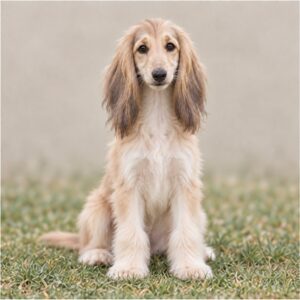
Large breed
Scottish Deerhound Puppies
Elegant, strong, fierce, loyal beautiful- if you just want to stare at a creature in awe, this dog, the Scottish deerhound, dubbed “The most perfect creature of heaven” is what you would be looking at. It is a perfect companion dog and a family dog as well. Discover more about our Scottish Deerhound puppies for sale below!
We do not have Scottish Deerhound puppies on the floor today. Tell us what you are looking for and we will let you know the moment one arrives, or help you find a breed that suits your home just as well.
- Adult weight 75–110 lbs
- Height 28–32 in
- Lifespan 8–10 years
- Exercise 60 min a day
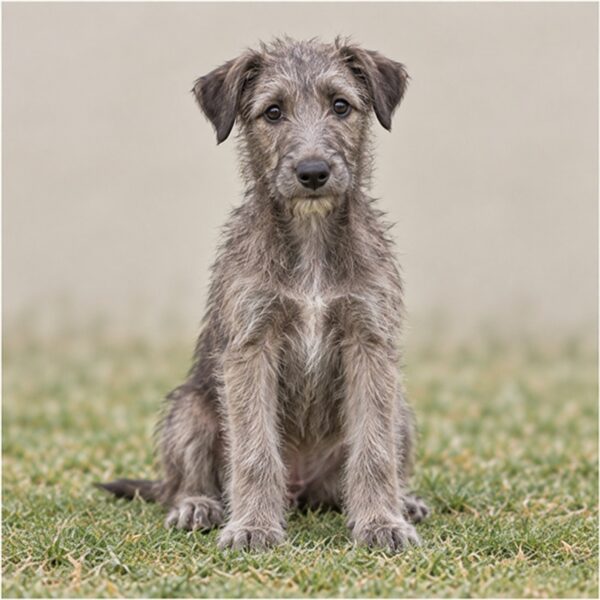
About the Scottish Deerhound
The Scottish Deerhound, a noble breed steeped in history, dates back to the Scottish Highlands where they were originally bred for hunting large game like deer. These gentle giants exhibit a calm demeanor and are often described as affectionate and loyal companions, making them an excellent fit for families looking for a friendly and loving addition to their household. Their easygoing nature allows them to adapt well to living with children and other dogs, and while they might be less enthusiastic around cats, with proper introductions, they can coexist peacefully.
Read more about the Scottish Deerhound Show less
With a moderate energy level, Scottish Deerhounds enjoy leisurely walks and time outdoors but are also content to relax at home with their loved ones. Daily exercise is essential for keeping them healthy and happy, as they thrive on a balance of activity and downtime. Grooming is required only once a month due to their manageable shedding, making them relatively low-maintenance in this regard; a regular brushing will help keep their coat in great condition and minimize loose fur in your living space.
When it comes to training, Scottish Deerhounds are intelligent but can be a bit independent, which might require a patient and consistent approach. Though they may not always be eager to please, their gentle and affectionate nature shines through in their interactions with their families. If you are looking for a loving, majestic companion with a rich heritage, the Scottish Deerhound could be the perfect match for you and your family.
Scottish Deerhound breed profile
Every score below is set by our team for this breed. Higher is simply more of that trait, not better or worse.
Temperament
-
Affection Very affectionate
-
Playfulness Calm
-
With strangers Friendly
-
Territorial Relaxed
-
Prey drive High
Family & other pets
-
Young children Good
-
Older children Excellent
-
Other dogs Sociable
-
Cats Needs care
Energy & exercise
-
Energy High
-
Mental stimulation Moderate
Training
-
Trainability Takes patience
-
Intelligence Steady
-
Stubbornness Biddable
Care & upkeep
-
Shedding Moderate
-
Drooling Minimal
-
Barking Occasional
Home life
-
Apartment living Prefers a house
-
Time alone Short periods
-
Cold weather Comfortable
-
Warm weather Comfortable
A good match for
-
First-time owners Some experience helps
-
Senior owners Good
-
Running partner Good
-
Hiking Good
-
Therapy work Good
-
Guarding Low
Living with a Scottish Deerhound
Temperament & Family Fit
Scottish Deerhounds are gentle giants with a loving and affectionate nature, making them an excellent addition to any family. They are particularly good with young kids and other dogs, embracing their playful spirits with warmth and kindness. Their calm demeanor allows them to be a comforting presence in the home while also fostering a strong bond with their human companions.
Energy & Exercise
While the Scottish Deerhound has a moderate energy level, they still enjoy their daily exercise. Regular walks and playtime are essential to keep them happy and healthy, along with opportunities for running in a secure area. Their size may require a bit more effort to accommodate their needs, but their good nature will make it all worthwhile!
Care & Grooming
These noble dogs boast a beautiful wiry coat that requires weekly grooming to keep it looking its best. Despite their shedding level being moderate, maintaining their coat helps reduce loose hair around your home. With a little regular attention, you can keep your Deerhound feeling comfortable and looking fabulous.
Training Notes
While Scottish Deerhounds are affectionate and good-natured, they can sometimes be a bit stubborn, making training a gentle and patient process. They may not be the quickest learners, but positive reinforcement and consistency will go a long way in helping them grasp commands. With time and care, these lovely dogs will develop into well-mannered companions.
Caring for a Scottish Deerhound
- Grooming
- Monthly brushing
- Grooming cost
- Low
- Monthly food
- Average
- Outdoor space
- A yard is recommended
- Allergy friendly
- Not considered hypoallergenic
Frequently Asked Questions
What is the size of a Scottish Deerhound and how much space do they need?
Scottish Deerhounds are large dogs, typically weighing between 75 to 110 pounds. They do need space to move around, but they're not the best fit for apartment living unless you can provide plenty of outdoor time for exercise.
How energetic are Scottish Deerhounds?
Scottish Deerhounds have a moderate energy level, rating a 4. They enjoy regular walks and playtime, but they also appreciate a good nap on the couch, making them a nice balance for active families.
Do Scottish Deerhounds get along with children and other pets?
Absolutely! They have a wonderful disposition and are good with young kids, scoring a 4 in that category. They also tend to do well with other dogs, although they may not be the best choice for homes with small animals like cats.
How much grooming do Scottish Deerhounds require?
Scottish Deerhounds have a weekly grooming routine to keep their coats in good shape. Their shedding level is moderate, so regular brushing will help control any loose fur and ensure they stay comfortable year-round.
Are Scottish Deerhounds easy to train?
Training a Scottish Deerhound can be a bit of a challenge as they have a trainability score of 2. They are affectionate and eager to please, but they may require some patience and consistency from their owners to really thrive in training.